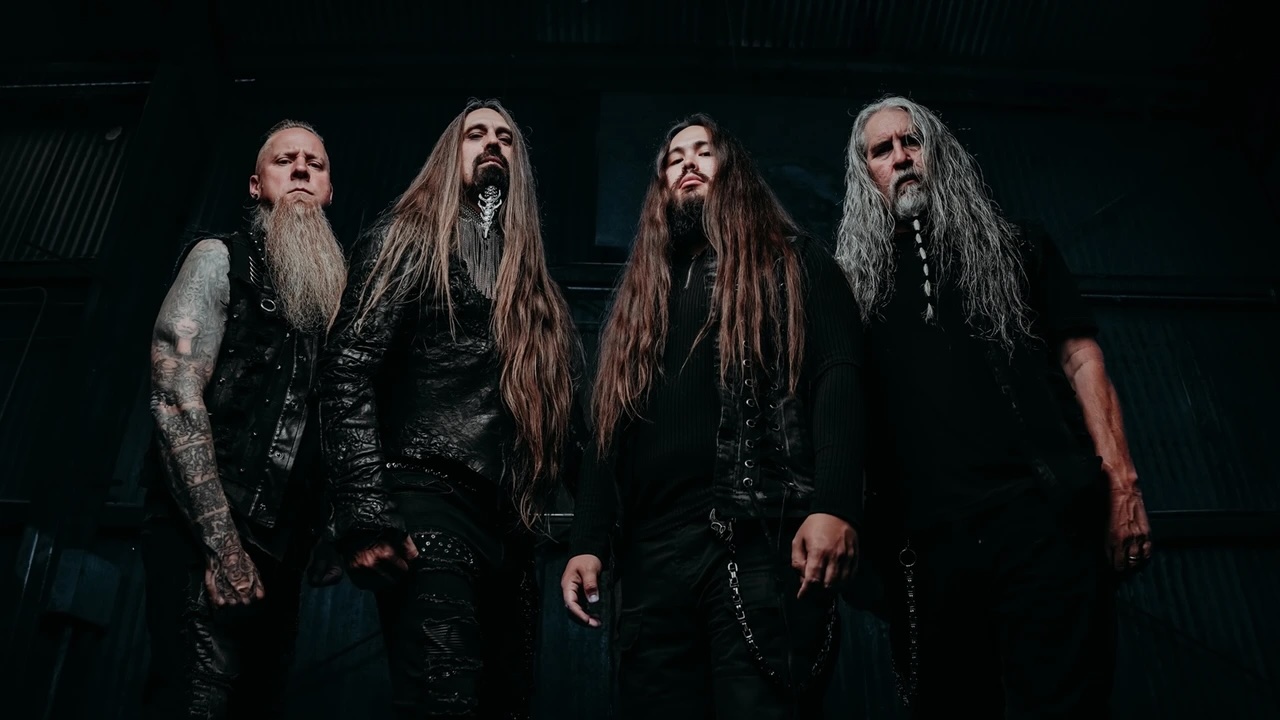
Ira Black
IRA BLACK’S LONG ROAD TO THE FRONT OF THE STAGE
After four decades of making other bands sound formidable, the metal guitarist has found a new instrument: his own voice.
At fourteen, Ira Black spent a summer working with a circus. It is a detail almost too neat for a rock biography: a young guitarist glimpsing the hard labor behind the spectacle, then setting out to make a life in music anyway. He had begun playing at ten and left home at fourteen. Decades later, those memories found their way into “The American Way,” one of the most personal songs on FÆNIX, the debut album by his band APOCÆLYPSE. The boy chasing an improbable dream is still there. Now he is the one singing about it.
Early Foundations & The Spark of Heavy Metal
Black’s earliest musical education came at home. His biological father, Waylon Black, was a seasoned blues guitarist, while his stepfather, Papa Joe, placed a guitar in Ira’s hands for the very first time. At eleven, a friend handed him a Walkman playing Black Sabbath’s “Iron Man.” He has since named Sabbath’s sound and Led Zeppelin’s songwriting as foundations of his musical imagination. Yet even as a young player, he gravitated toward writing his own music. His first band, Arcane, opened for Tommy Tutone; Heathen marked the point when local ambition began turning into professional work.
Metal’s Most Trusted Gunslinger
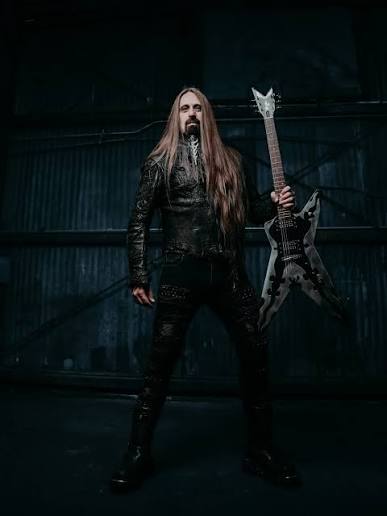
The years that followed made Black one of metal’s most trusted guitarists. His résumé runs through Heathen, Vicious Rumors, Metal Church, Lizzy Borden, Dokken, I Am Morbid, BulletBoys, Vio-Lence, and Dio Disciples. That range matters more than the length of the list. These bands ask different things of a player: thrash precision, theatrical weight, classic metal melody, and the discipline to honor songs audiences already know. Black kept getting the call because he could bring his force to a band without losing sight of its identity.
Lizzy Borden offered a revealing endorsement in 2008. Black had grown up with the band’s records, Borden said, but arrived with a heavier attack than the group had previously had; his playing changed the weight of its new material. It is a useful measure of Black’s reputation. He was not simply a fast pair of hands hired to reproduce somebody else’s parts. He could understand a band from the inside and still give it something new.
Finding The Voice: The Birth of APOCÆLYPSE
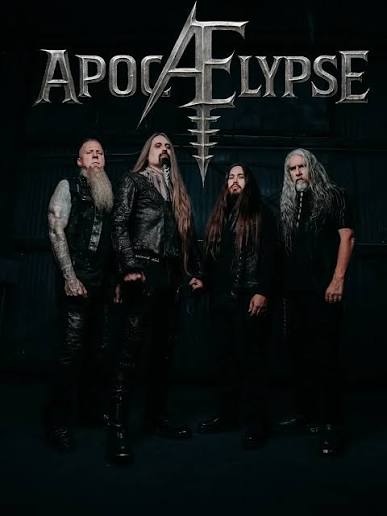
That adaptability can obscure another side of him. Black has been writing, arranging, and working in studios for years, even when his name appeared beside someone else’s on the marquee. By 2021, he was already discussing a future metal record on which he would sing as well as play guitar. APOCÆLYPSE did not spring from a sudden desire for the spotlight. It gave a long developing idea the room to become a band. Black says learning to sing during the pandemic finally let him express what guitar alone could not.
FÆNIX: Rebuilding Through Heavy Riffs and Truth
The change required a different kind of nerve. A lead guitarist can tell a story through a solo while leaving its meaning open. A singer delivers the words with his own breath. On FÆNIX, released August 28, 2026, Black is the vocalist, guitarist, songwriter, and producer responsible for that story. “Black Box” turns buried feelings into the image of a wrecked aircraft. “INTELL-I-GENTS” looks outward at technology and the information people surrender to it. Across the album, personal survival and unease about the modern world meet heavy riffs, industrial textures, and melodic choruses. Black has said that if a song does not need a solo, he leaves it out. Coming from a guitarist of his ability, that restraint says much about how seriously he takes the songwriting.
The record also carries experiences Black once had reason to keep private. In interviews, he has spoken about a troubled adolescence, addiction, sobriety, and the instability of life on the road. FÆNIX draws on those subjects without turning them into a tidy tale in which every wound has vanished. Its title is a statement about rebuilding. Black has described the album as the first on which the songs, lyrics, voice, and production all answer to his own vision.
Family Ties & Band Chemistry
There is warmth within this fierce new project. Black’s son, Ira Black IV, plays the second guitar; Matt Snell is on bass and Lonny Pasillas on drums. Black recalls his son accompanying him to shows when he was small, and says he encouraged the younger guitarist to find his own way instead of becoming a copy of his father. His wife Jessica manages APOCÆLYPSE. The family connection is part of the band’s character, but so is Black’s generosity toward other musicians. Discussing the demands of band life, he has emphasized sobriety, compromise, honest conversation, and caring for relationships. Those values offer a glimpse of the person behind a fearsome stage résumé.
The Hundredth Project & The Road Ahead

Black calls APOCÆLYPSE his hundredth project. The number captures an extraordinary working life, but FÆNIX makes the more interesting point: after all those stages and sessions, he is still willing to become a beginner at something. He has spoken of writing the next album and taking this band further. Grammy recognition would be a worthy ambition for a record made with such commitment, although no nomination has been announced; the Recording Academy is due to reveal the 2027 nominees on November 16.
For now, Black has achieved something no award can confer. The player so many bands trusted with their sound has made a record that sounds unmistakably like his own life.
The Rockin' Roundtable Verdict
Ira Black has spent decades cementing his legacy as one of the fiercest and most dependable players in heavy music. Stepping up to the microphone with APOCÆLYPSE isn’t merely another feather in his cap—it’s an unfiltered statement of artistic survival, identity, and personal rebirth. We’ll be right in the front row when the tour hits town.